

Hey there! As a supplier of Marble Bridge Saws, I often get asked about how to adjust the tension of the blade on these machines. It's a crucial aspect that can significantly impact the performance and lifespan of your saw, so I'm here to share some tips and tricks.
First off, let's understand why blade tension matters. A properly tensioned blade ensures smooth and accurate cuts, reduces vibration, and prevents premature wear and tear. If the blade is too loose, it can wobble during operation, leading to uneven cuts and potential damage to the workpiece. On the other hand, if it's too tight, it can put excessive stress on the blade and the saw's components, increasing the risk of breakage.
Now, let's get into the steps for adjusting the blade tension on a Marble Bridge Saw.
Step 1: Safety First
Before you start adjusting the blade tension, make sure the saw is turned off and unplugged. This will prevent any accidental starts and keep you safe during the process. Also, wear appropriate safety gear, such as gloves and safety glasses, to protect yourself from any potential hazards.
Step 2: Locate the Tensioning Mechanism
The tensioning mechanism on a Marble Bridge Saw can vary depending on the model. In most cases, it's located near the blade housing or on the side of the saw. Look for a bolt, nut, or lever that is specifically designed for adjusting the blade tension.
Step 3: Check the Blade Alignment
Before adjusting the tension, it's important to ensure that the blade is properly aligned. A misaligned blade can cause uneven tension and affect the quality of the cuts. To check the alignment, turn on the saw and let it run for a few seconds. Observe the blade as it spins and look for any signs of wobbling or uneven movement. If you notice any issues, you may need to adjust the blade alignment before proceeding with the tension adjustment.
Step 4: Adjust the Blade Tension
Once you've located the tensioning mechanism and checked the blade alignment, it's time to adjust the tension. Start by loosening the tensioning bolt or nut slightly. This will allow you to make small adjustments to the tension. Use a tension gauge to measure the tension of the blade. The recommended tension for a Marble Bridge Saw blade typically ranges from 15,000 to 20,000 pounds per square inch (psi). Refer to the manufacturer's instructions for the specific tension requirements of your saw and blade.
Slowly turn the tensioning bolt or nut clockwise to increase the tension or counterclockwise to decrease it. As you make adjustments, keep an eye on the tension gauge and make small, incremental changes until you reach the desired tension. It's important not to over-tighten the blade, as this can cause it to break or damage the saw.

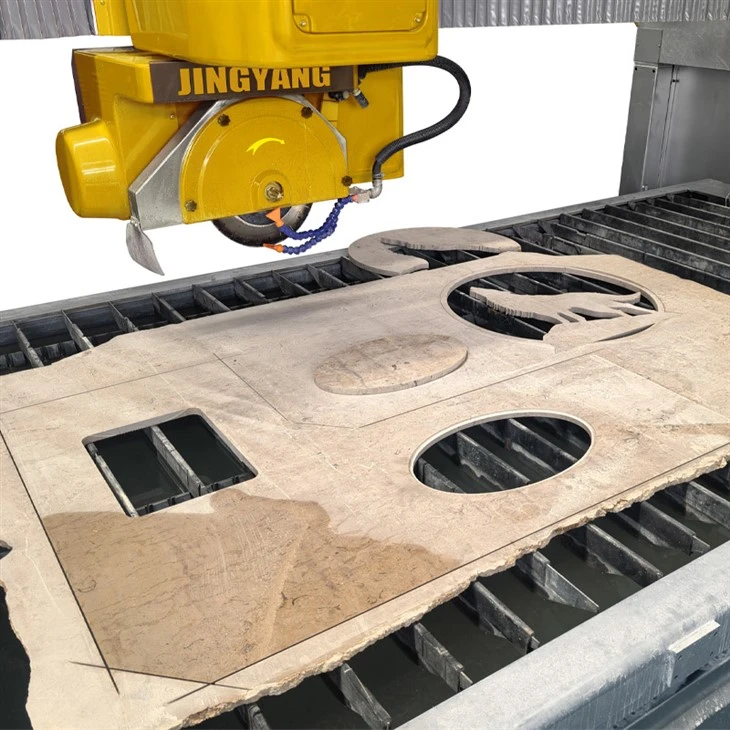
Step 5: Recheck the Blade Alignment
After adjusting the tension, recheck the blade alignment to ensure that it is still properly aligned. Turn on the saw and let it run for a few seconds, observing the blade as it spins. If you notice any issues with the alignment, make the necessary adjustments before proceeding.
Step 6: Test the Saw
Once you've adjusted the blade tension and rechecked the alignment, it's time to test the saw. Make a few test cuts on a scrap piece of marble or other suitable material. Pay attention to the quality of the cuts and the performance of the saw. If the cuts are smooth and accurate, and the saw is running smoothly, then you've successfully adjusted the blade tension.
Step 7: Regular Maintenance
To ensure the continued performance and longevity of your Marble Bridge Saw, it's important to perform regular maintenance. This includes checking the blade tension regularly, cleaning the saw after each use, and lubricating the moving parts as recommended by the manufacturer. By taking good care of your saw, you can extend its lifespan and ensure that it continues to provide high-quality cuts for years to come.
In addition to adjusting the blade tension, there are other factors that can affect the performance of your Marble Bridge Saw. For example, the type of blade you use, the speed of the saw, and the feed rate can all impact the quality of the cuts. It's important to choose the right blade for the job and to follow the manufacturer's recommendations for operating the saw.
If you're in the market for a new Marble Bridge Saw or other stone cutting equipment, I recommend checking out our 5 Axis CNC Stone Cutting Machine, Best Bridge Saw, and Granite CNC Machine. These machines are designed to provide high-quality cuts and are built to last.
If you have any questions or need further assistance with adjusting the blade tension on your Marble Bridge Saw, or if you're interested in purchasing a new saw or other stone cutting equipment, please don't hesitate to contact us. We're here to help you find the right solution for your needs.
References:
- Manufacturer's instructions for your Marble Bridge Saw
- Industry standards and best practices for stone cutting equipment