

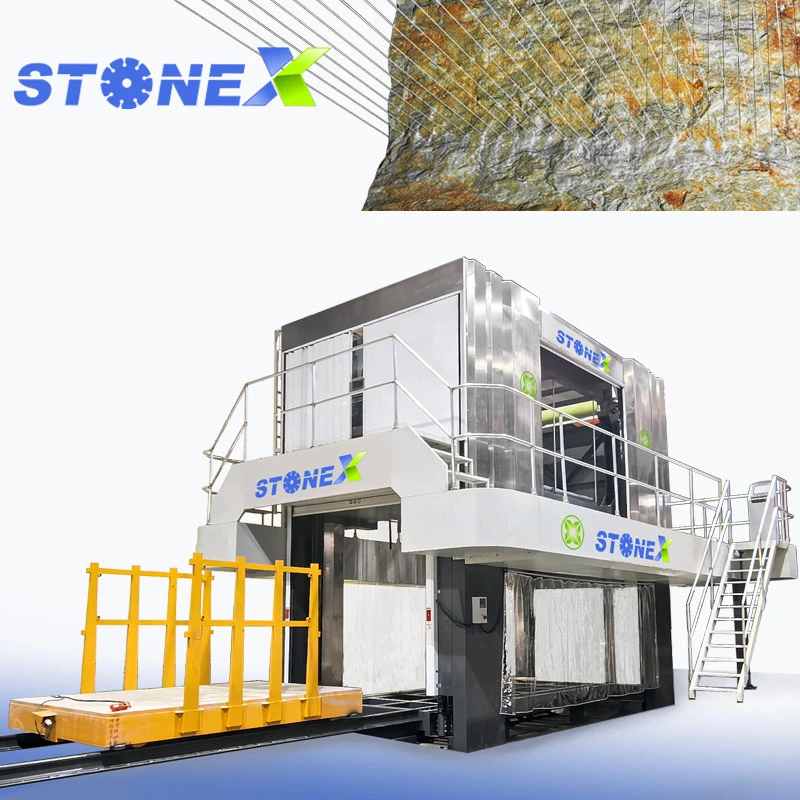
Dust and water recovery systems are crucial environmental protection and resource recycling facilities in industrial production. Their implementation standards are directly related to production safety, environmental protection, and resource utilization efficiency. This article explores the key implementation standards for these systems from the perspectives of technical specifications, emission requirements, and operational management.
First, regarding technical specifications, dust recovery systems must comply with the "Comprehensive Emission Standard for Air Pollutants" (GB 16297) and industry-specific standards, such as the "Technical Specification for Dust Control in the Steel Industry." System design should ensure a dust capture rate of at least 99%, a filtration efficiency exceeding 99.9%, and emission concentrations strictly controlled below 10 mg/m³. Water recovery systems must comply with the "Comprehensive Wastewater Discharge Standard" (GB 8978), with a recycling rate of at least 90%, and discharge water quality meeting reuse or standard discharge requirements, such as a pH of 6-9 and suspended solids ≤70 mg/L.
Second, emission standards are core requirements. Dust emissions must comply with stricter limits set by local environmental protection authorities. For example, the Beijing-Tianjin-Hebei region may require dust emissions to be below 5mg/m³. Discharge from water recovery systems must be categorized and controlled based on intended use, such as cooling water recycling and process wastewater treatment for reuse or discharge compliance. Furthermore, the system must regularly monitor indicators such as particulate matter, heavy metals, and chemical oxygen demand (COD) to ensure long-term stable operation.
Finally, operational management standards emphasize equipment maintenance and recordkeeping. The integrity of filter bags, piping, and pumps must be regularly inspected to prevent leaks. Operators should receive professional training, strictly adhere to SOPs (standard operating procedures), and maintain an operation log to record dust concentration, water flow, and maintenance status.
In summary, the implementation standards for dust and water recovery systems cover multiple dimensions, including technology, emissions, and management. Enterprises must integrate national regulations and industry requirements to ensure efficient and compliant system operation, achieving a win-win situation for both environmental protection and economic benefits.